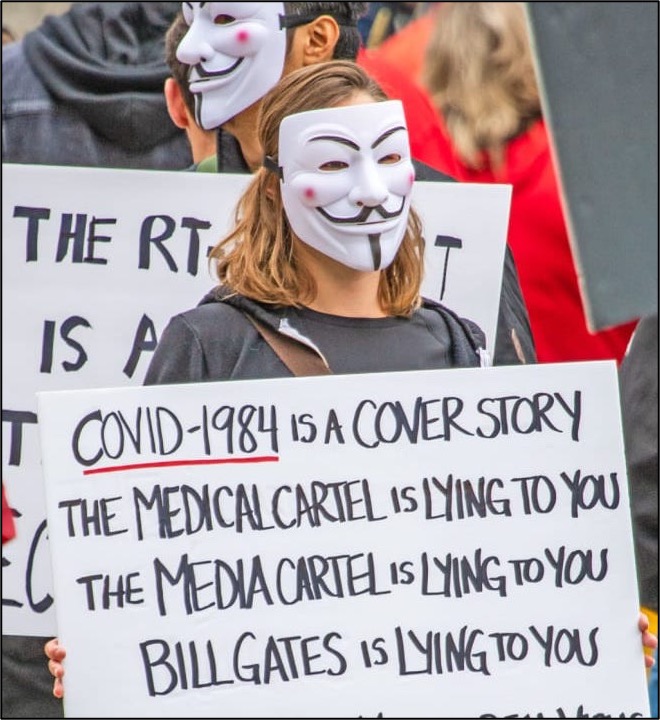
I have a morbid fear that we Kiwis are not sophisticated enough to know disinformation when we see it. Worse, I worry that we don’t care.
The combination of dramatic advances in artificial intelligence and alarming declines in trust and social cohesion produce a dangerous mixture in which ‘reality’ can become a construct of what we want to believe, and what others may manipulate us into thinking.
Last Sunday, TVNZ screened the documentary Web of Chaos, which took viewers on a journey from the innocent early days of the digital highway to the sewer that part of it has become. Along the way, we saw its power to influence, corrupt, and deceive. In many respects it looked like a descent into madness. In fact, disinformation expert Dr Sanjana Hattotuwa described it as “an algorithmic amplification of psychosis”.
He was not speaking of a few unfortunates working through their mental issues on the Internet. He said there were 350,000 people in this country using alternative social media platforms – or what he called a “hellspace” – in a toxic mix of extreme attitudes, violent language and disinformation.
In the programme, Disinformation Project director Kate Hannah told how the Covid pandemic had drawn larger numbers of New Zealanders into “the disinformation space” and had led to a broadening of conspiratorial thinking. The documentary showed in graphic detail how that phenomenon had manifested itself near the end of the occupation of Parliament’s grounds. Continue reading “‘I know the truth when I see it’ … yeah, right.”