BBC’s response to Trump must be ‘We fight…We fight like hell’

It was as obvious as hair dye and fake tan: Donald Trump was always going to sue the BBC, irrespective of whether the broadcaster made a grovelling apology for its astonishingly stupid video editing of a speech delivered shortly before the Capitol was stormed.

Even a plausible offer of compensation – had it been made – would have been insufficient to stay the hand of the man who has already caused immense harm to the public broadcasters of his own country and who has sued American media for billions. The opportunity to strike what he hopes is an existential blow against the progenitor of public broadcasting was irresistible.

There was, therefore, no surprise in his announcement on Saturday that he will sue the BBC for between $US1 billion and $US 5 billion over the clip in a 2024 Panorama programme. I doubt it is a coincidence that $US5 billion almost matches the income the BBC will receive this financial year from public licence fees (the bulk of its annual income) or that $1 billion is the annual corporate cost of running the public broadcaster. Continue reading “BBC’s response to Trump must be ‘We fight…We fight like hell’”

Alarm bells must bring out disinformation fire fighters


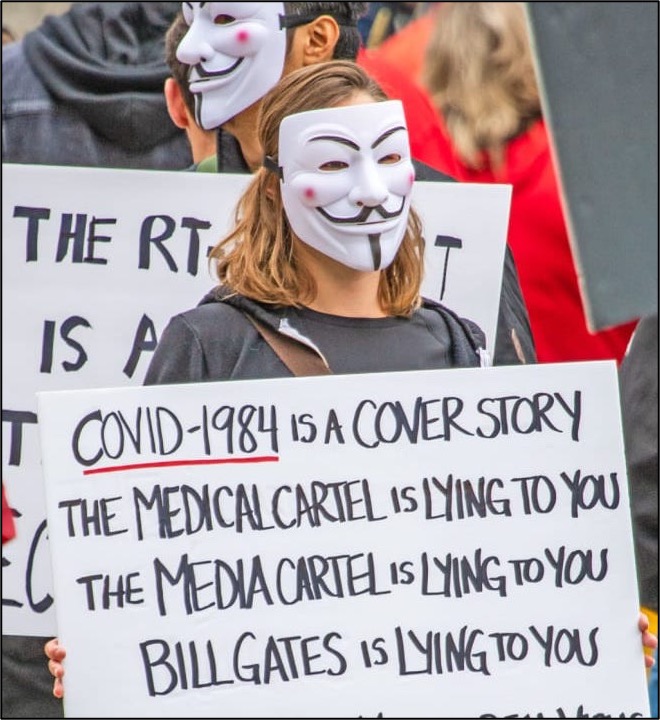
The cancellation of two disinformation seminars this week amid threats and harassment should be ringing very loud alarm bells.

The seminars, organised by the Disinformation Project and communicated through the Science Media Centre, were to allow journalists to discuss disinformation with a range of experts. However, details of the media-only events in Auckland and Wellington somehow appeared on extremist social media channels. Traffic on those channels suggested the events could be gate crashed and they were cancelled as a safety precaution.

The director of The Disinformation Project, Kate Hannah, told Newsroom political reporter Marc Daalder she had received a death threat after the decision to cancel had been made but before legitimate attendees had been notified. Members of the project had been scheduled to brief journalists.

What is disturbing about this episode – the latest in a string of intimidating actions – is that the invitations were privately despatched to individuals via the Science Media Centre. Like the Disinformation Project itself, the SMC is a highly reputable organisation (whose advisory board I had the privilege of chairing). The fact that a screenshot of the invitation then appeared on Telegram fringe channels raised the ugly possibility that one of the potential invitees shared it with someone connected to those channels, or that their email accounts have been hacked or otherwise compromised. Continue reading “Alarm bells must bring out disinformation fire fighters”